A City Shortlist for a Rainy Afternoon
A city shortlist for a rainy afternoon helps you turn casual browsing into a focused plan, with clear decisions about what to verify before choosing.

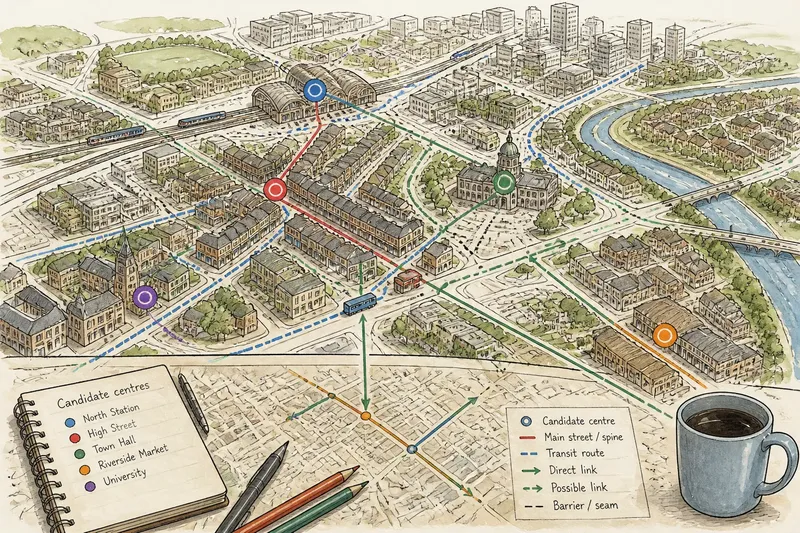
Rain taps the window as three city pages sit open on a laptop. A city shortlist for a rainy afternoon can turn that browsing into a useful record: what caught your eye, what matters to your routine and what still needs checking.
The aim is not to rank whole cities from a screen. It is to make a fair comparison of the details you care about, while keeping uncertain impressions separate from confirmed information.
Give every city the same comparison fields
Use a sheet of paper, a notes app or a simple spreadsheet. Give each candidate the same fields, but leave room for differences rather than forcing every place into an identical description.
For each city, record the specific area or address you are considering, the feature that drew your attention, the source of the information and the next decision it may affect. Sources might include a council directory, a housing listing, a venue’s own page or a transport operator’s timetable.
Use plain labels such as “confirmed”, “unclear” and “not relevant”. If a listing gives an address but not current opening details, record the address as confirmed and the hours as unclear. That small distinction stops a partial fact from turning into a broad assumption.
Compare amenities by how you would use them
A long directory of cafés, galleries and parks can look persuasive without telling you whether a place fits your ordinary week. Choose amenities that connect to actual routines: a grocery shop you would use, a library for quiet work, a green space for a walk or a community venue you might attend.
For each one, note its location, the reason it matters and the question that remains. A park might be nearby, but you may still want to check which entrance is accessible from the streets you are considering. A shop listing might be current, while its opening times need confirmation.
Say you are comparing two invented candidate cities. In one, you spot a library close to a district you like; in the other, you find a market near a possible home. Write “check the library’s current services” and “confirm the market’s trading days”. The resulting comparison is not a winner: it is a pair of specific checks that can change which amenity matters more to you.
Describe housing areas with precise observations
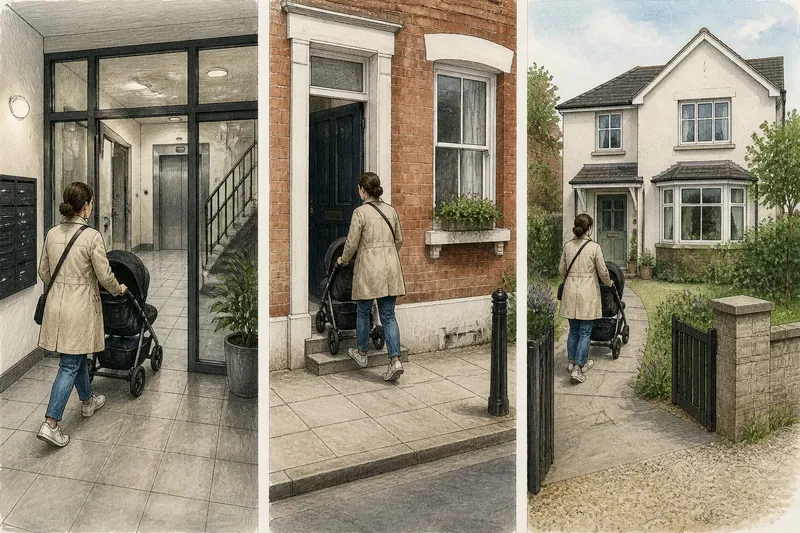
Housing character is easy to flatten into labels such as “quiet” or “up-and-coming”. Instead, record what the listing and available local information actually show: the type of building, its position on the street, nearby facilities and any detail that needs clarification.
Keep the property itself distinct from the wider area. A listing may describe a flat’s layout, but it cannot settle how a nearby road sounds at different times. A map may show a park close by, but it does not tell you whether the route to its entrance suits your needs.
If a listing omits something important, write the question beside it and identify who can answer it. Ask the agent or landlord about the property; check public information or visit the area for questions about the surroundings.
Use a decision list to keep comparisons honest
For each item, write down an observable detail and the decision that follows if it checks out or does not. This keeps the shortlist useful even when information is incomplete.
- Check whether the listed library is open to the public; if its current services fit your needs, keep it as a useful amenity, and if they do not, remove it from that comparison.
- Check the market’s published trading days; if they fit your routine, count it as a practical option, and if they do not, look for another regular food source.
- Check whether the housing listing names the building type and layout; if the description answers your essential questions, keep the property under consideration, and if it does not, ask the agent before comparing it further.
- Check the stated address of a prospective home against the relevant local authority’s map; if it is in the area you intended, retain the note, and if it is not, revise the area comparison.
- Check whether a venue’s own page confirms the service you want; if it does, mark that amenity as confirmed, and if it does not, contact the venue or leave it unresolved.
- Check whether a route or entrance detail is explicitly provided by the relevant organisation; if it is, use that information for your planning, and if it is absent, record a question rather than assuming access.
Which details deserve a second look?
What belongs on a city shortlist?
Include places and housing details tied to your routines, plus the source and one unresolved question for each. Leave out pins that have no bearing on what you might actually do or need.
How can I compare amenities fairly?
Use the same questions for each candidate, such as whether a service exists, whether it suits your routine and what source confirms its details. Keep the answer specific to the amenity rather than treating one attractive feature as a verdict on an entire city.
How should I record uncertain information?
Mark the particular detail as unclear, not the whole place. Note who could verify it, then keep any decisions that depend on it provisional until you have an answer.
When is a shortlist ready to use?
It is ready when each candidate has a few relevant observations and a clear next question, not when every blank is filled. If a question no longer affects your choice, remove it instead of carrying it forward by habit.
Turn open questions into a useful next action
Choose the questions that could change your comparison, then match each one to a source or action. A venue’s current services may be confirmed by its own staff; a property detail belongs with the agent or landlord; a question about how a place feels at a particular time may require a visit then.
Imagine your invented shortlist shows that one city has a library you would use, while another has a market with trading days that do not fit your routine. First, check the library’s current services on its own page and mark them confirmed if the relevant information is there. Next, check the market’s published days and mark the mismatch if they conflict with your schedule. The resulting answer is that the library remains a useful option and the market should not carry much weight in your comparison; neither result settles the housing choice on its own.
Keep the city shortlist for a rainy afternoon focused on decisions you can actually make. A confirmed detail can sharpen your comparison; an unresolved one can point to the right question, without pretending that browsing has settled the choice.